Introduction Artificial Intelligence (AI) and Machine Learning (ML) are some of the hottest fields today. Whether you want to build intelligent applications, automate tasks, or understand how AI models work,…
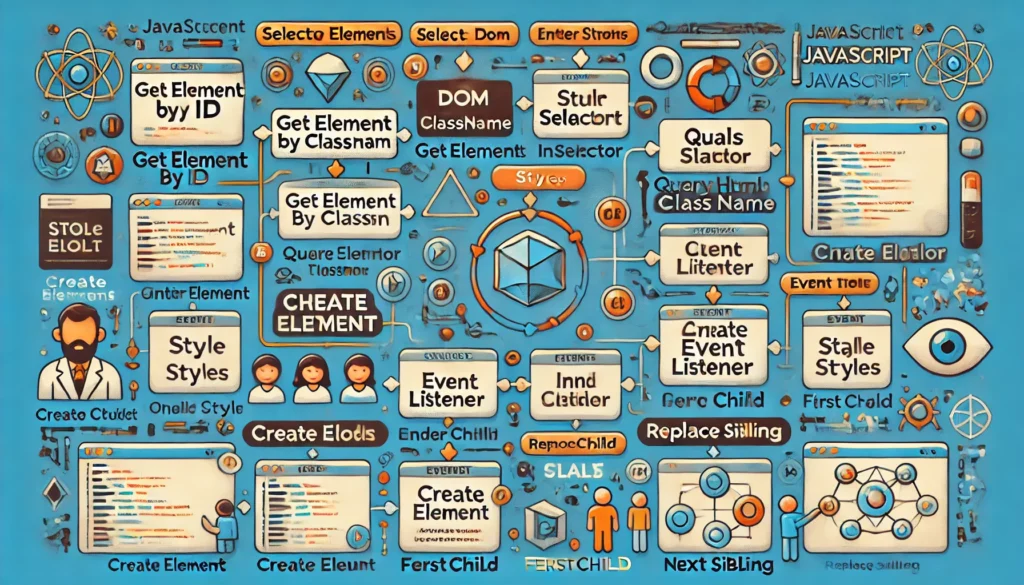
The DOM (Document Object Model) DOM manipulation is a programming interface that represents web documents as a tree structure of objects. JavaScript can interact with this tree to dynamically manipulate…
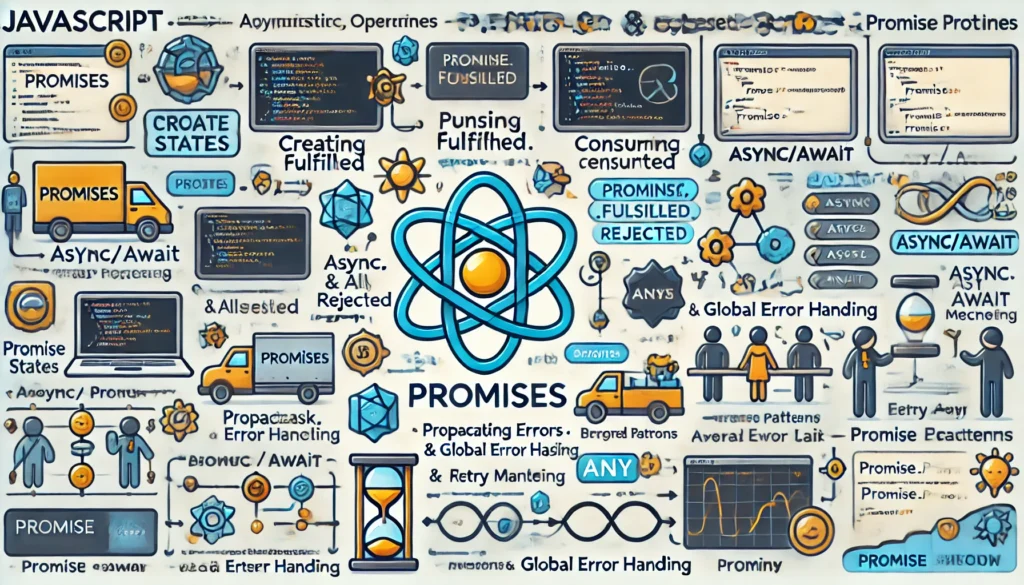
Promises are a fundamental JavaScript feature for handling asynchronous operations, providing a cleaner alternative to callback hell and better error handling. They help manage asynchronous code execution, improving the readability…
Introduction to Sync & Async Systems Synchronization vs Asynchronization. In today’s digital ecosystem, synchronization (sync) and asynchronization (async) are foundational concepts for building efficient software, APIs, and distributed systems. Whether…
JavaScript event handling is the cornerstone of interactive web development, enabling responses to user actions like clicks, keyboard input, and page interactions. This guide covers everything from basic event listeners…
Multithreaded programming is a programming paradigm that enables concurrent execution of tasks within a single process, dramatically improving performance for modern applications. It allows multiple threads to run simultaneously, sharing…
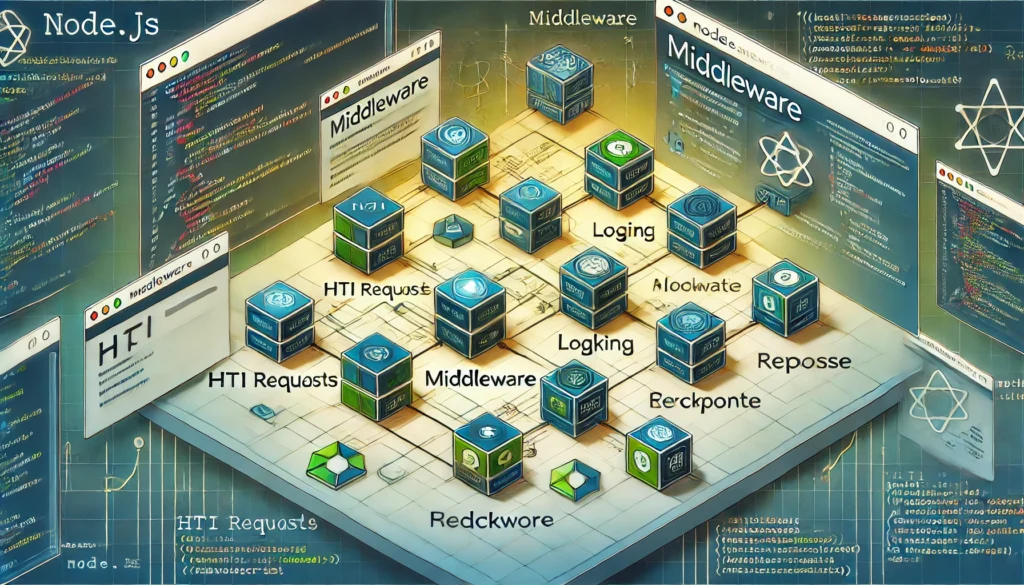
Middleware is the secret sauce behind Node.js applications, acting as a bridge between incoming requests and final responses. It plays a crucial role in handling various aspects of request processing,…
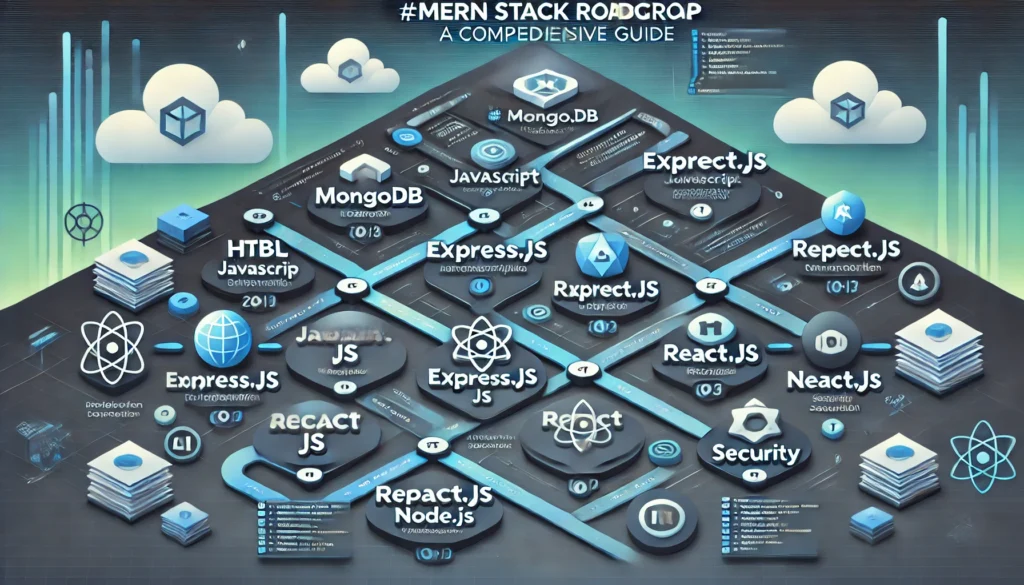
Introduction The MERN stack (MongoDB, Express.js, React.js, Node.js) is a powerful combination of technologies for building full-stack web applications. This guide provides a structured roadmap to mastering the MERN stack,…
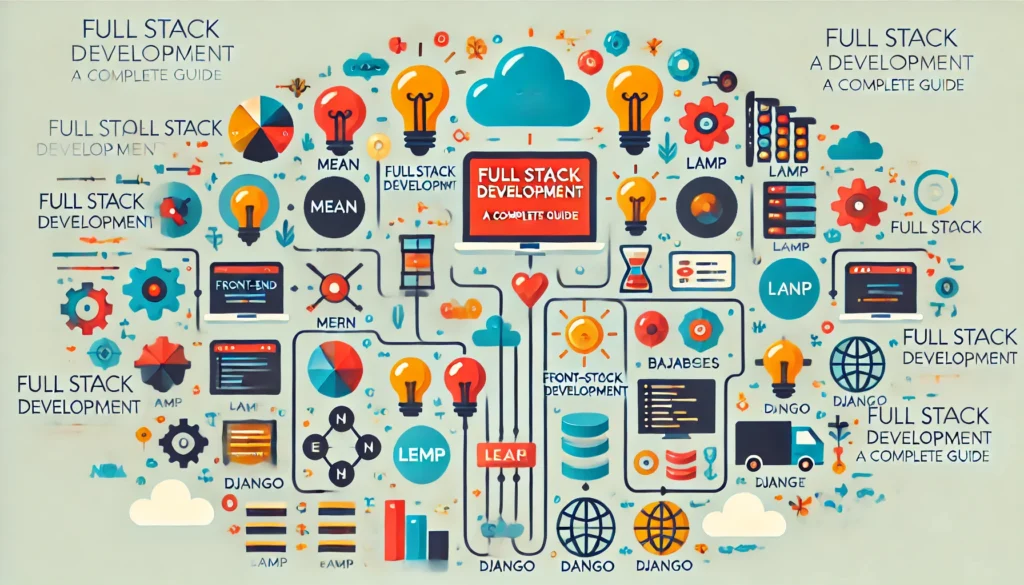
Introduction Full Stack Development refers to the process of developing both the front-end and back-end of a web application. A full stack developer is responsible for handling everything from UI/UX…