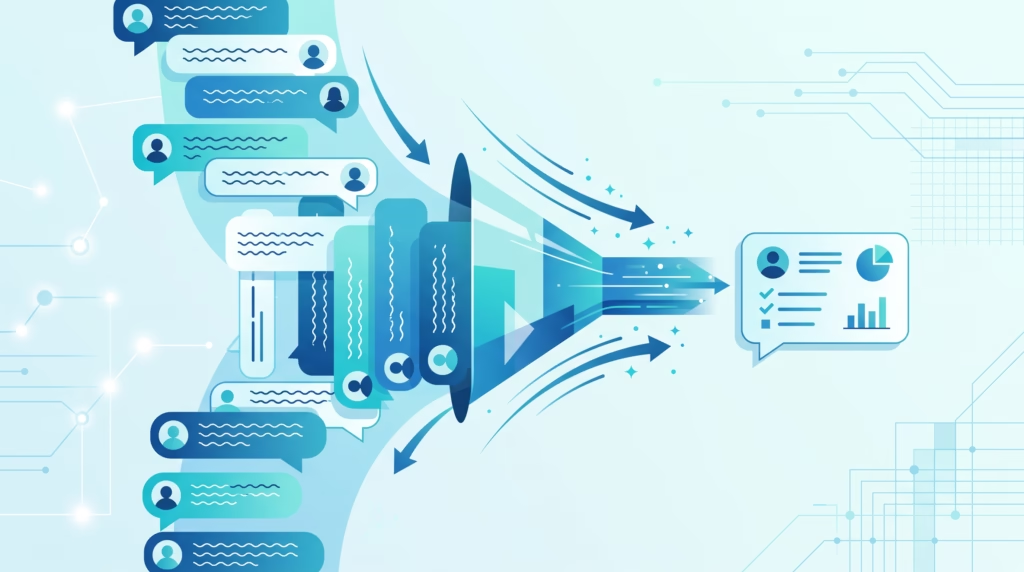
Context compaction summarizes long AI agent chats before they hit the context limit. Here is how OpenClaw does it, and the config knobs you actually control.
The OpenClaw context engine decides what your AI agent sends to the model. Learn its 4 lifecycle hooks, the legacy default, and its quarantine failsafe.
How OpenClaw sessions work: message routing by origin, the dmScope setting that stops DM leaks, session lifecycle and resets, and where state lives on disk.
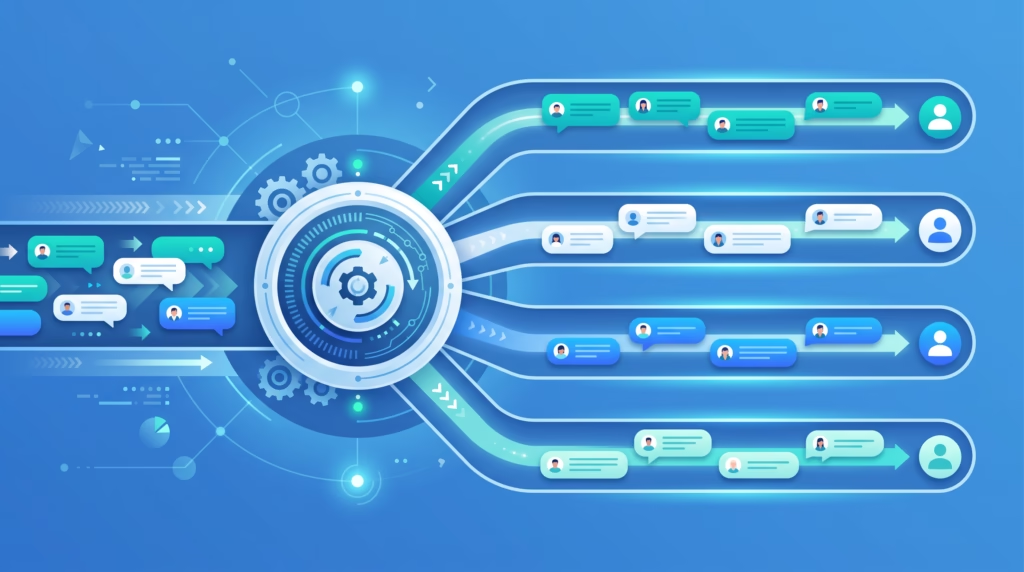
Run multiple isolated AI agents on one server. OpenClaw multi-agent routing uses deterministic bindings to send each message to the right agent, no LLM.
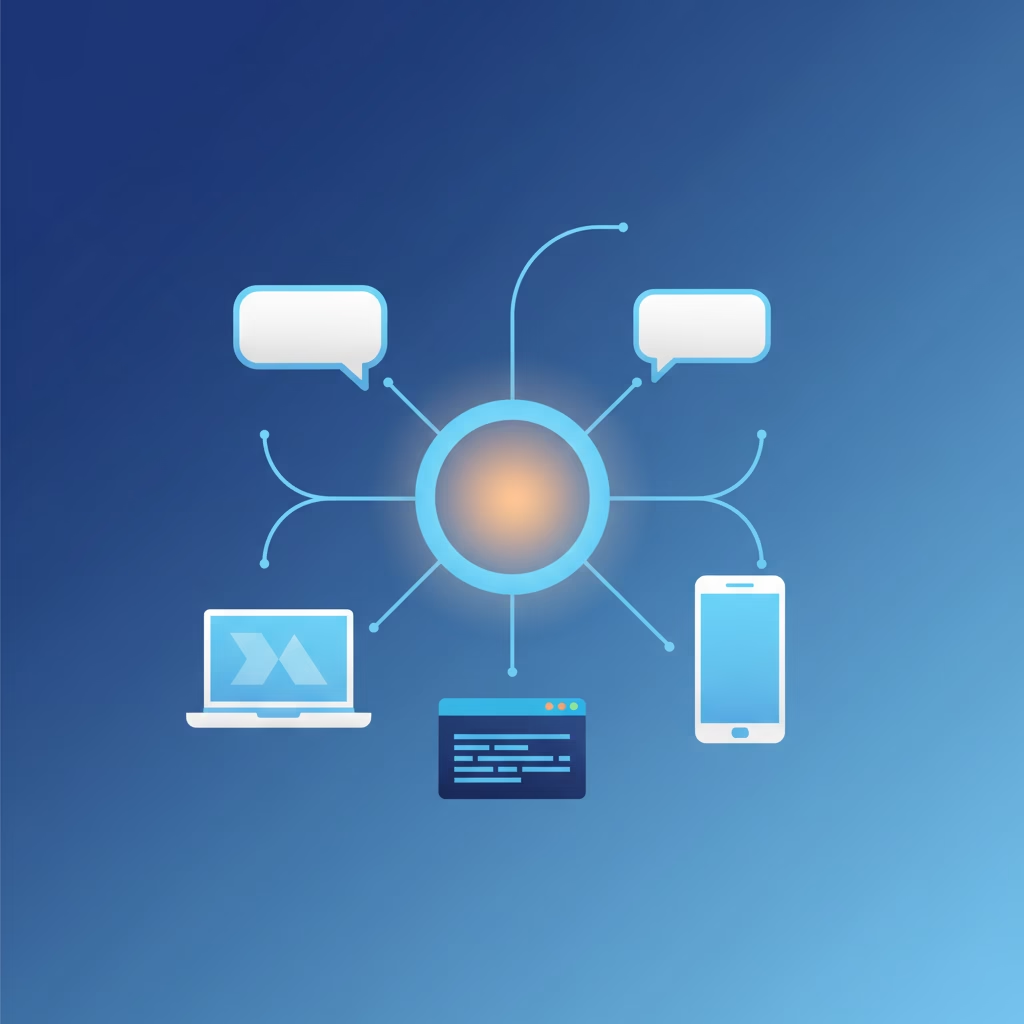
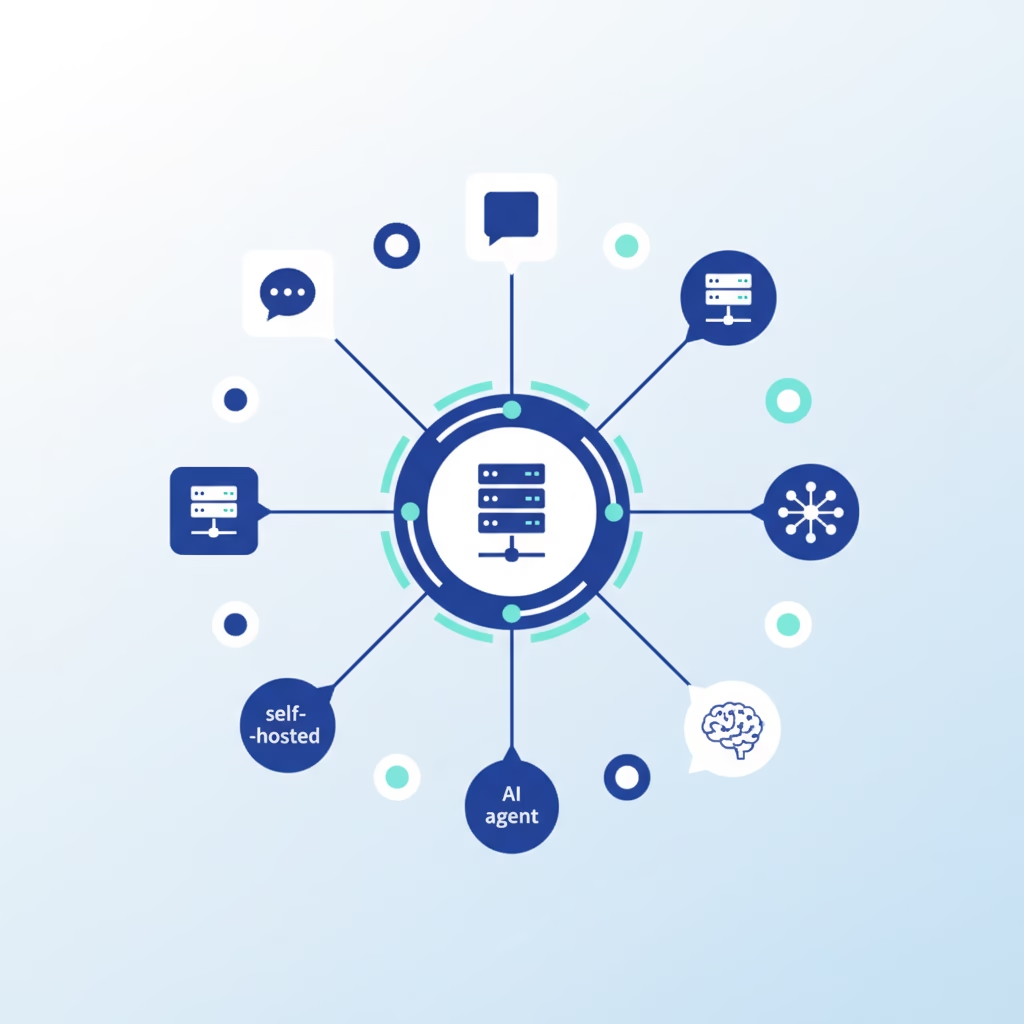
OpenClaw architecture explained from the actual docs: how the Gateway, WebSocket control plane, agent loop, and device pairing work in one self-hosted process.
OpenClaw is a self-hosted AI agent that connects your chat apps to an assistant you fully control. Here's what it is, how it works, and how to install it.
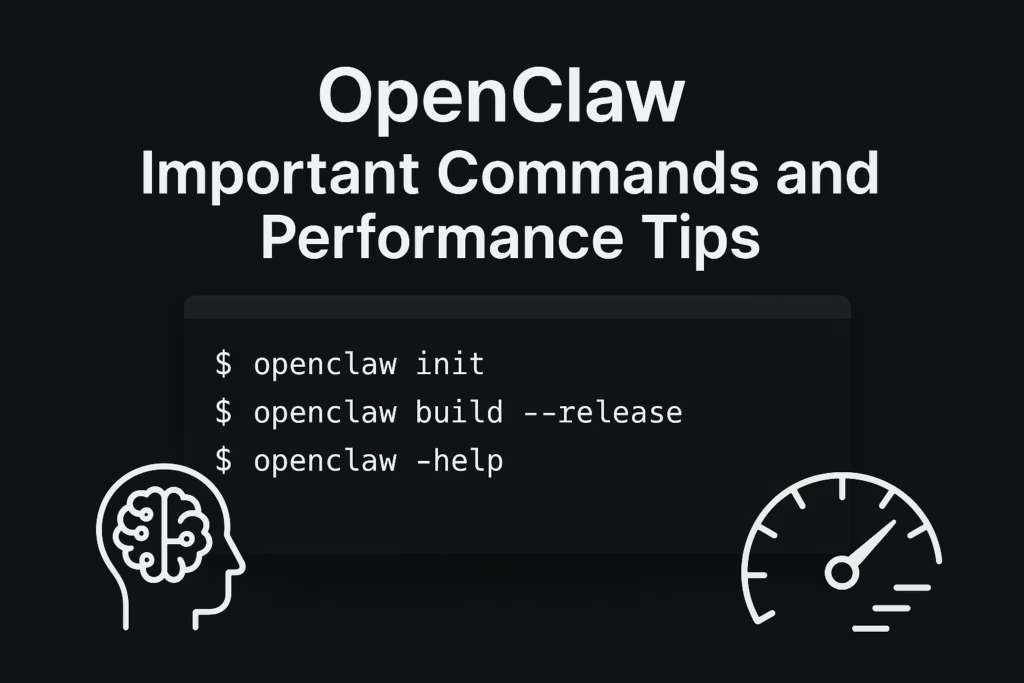
A practical OpenClaw guide covering essential CLI commands, performance tuning, memory best practices, and compaction settings to keep sessions fast and stable.
Lossless Claw is an OpenClaw plugin that prevents AI agent memory loss by saving every message to SQL and organising history into a navigable DAG of summaries — giving your agent perfect recall in long sessions.
Learn how to fix OpenClaw's memory issues — covering memory flush, session pruning, QMD retrieval, heartbeat cost optimization, and system prompt auditing for a faster, cheaper AI agent.